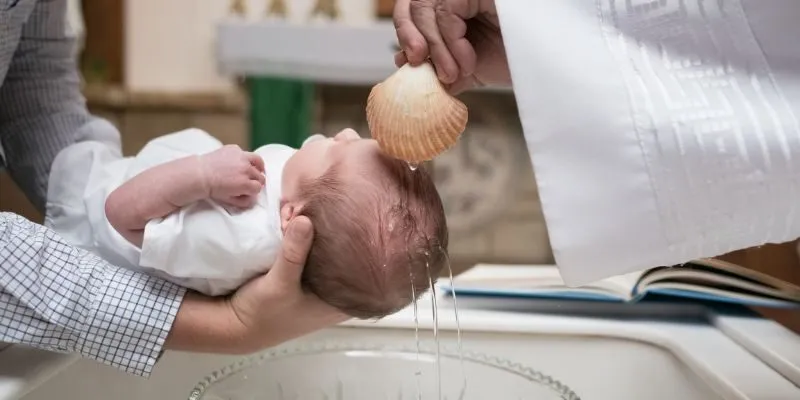
Christenings are important religious ceremonies that celebrate the welcome of a child into the Christian faith and church community. For many families, this special occasion represents faith, commitment, and the beginning of a spiritual journey. Join the Parish of South Gillingham to learn more details.
Understanding Christenings
Christenings have been practiced for centuries across many Christian denominations. They symbolize dedication, blessing, and the introduction of a child into a faith community.
What Are Christenings?
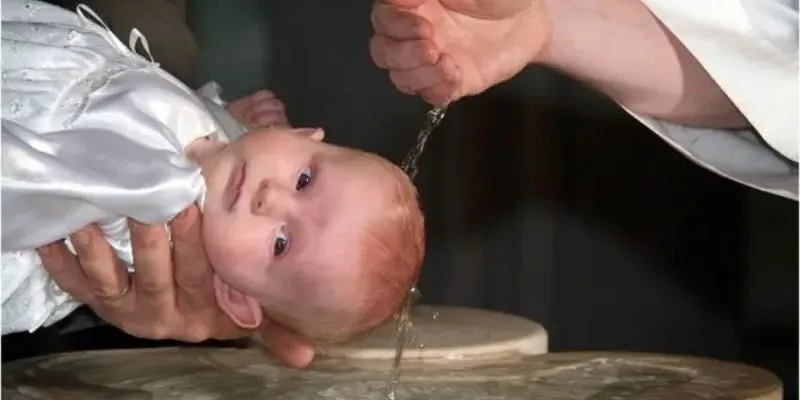
Christenings are religious ceremonies in which a child receives a Christian name and is blessed within the church. The service often includes prayers, scripture readings, and the use of holy water. Families view this event as a significant spiritual milestone.
Historical Origins Of The Ceremony
The tradition of christening developed from early Christian baptism practices. Over time, churches established specific rituals to welcome infants into the faith community. These customs continue to be observed in many parts of the world today.
Why Families Choose Christenings
Many parents choose a christening to express their faith and commitment to raising their child within Christian values. The ceremony provides an opportunity for loved ones to gather and offer support. It also creates lasting memories for the family.
The Religious Significance Of Christenings
The spiritual meaning behind Christenings makes them one of the most valued ceremonies in Christian traditions. They represent faith, blessing, and community support.
Welcoming A Child Into Faith
A christening symbolizes the child’s introduction to Christian teachings and beliefs. The church community promises to support the child’s spiritual development. This act reflects unity and shared responsibility.
Receiving God’s Blessing
Many Christians believe the ceremony invites God’s guidance and protection into the child’s life. Special prayers are offered for health, wisdom, and faith. These blessings hold deep meaning for parents and families.
Strengthening Family Faith
Participating in a christening often encourages families to reflect on their own spiritual journey. The service can renew commitments to faith and worship. It also reinforces the importance of religious values at home.
Preparing For Christenings
Proper planning helps ensure that Christenings are meaningful and memorable occasions. Preparation involves both practical arrangements and spiritual readiness.
Choosing A Church
Families typically begin by selecting a church where the ceremony will take place. Different denominations may have specific requirements or traditions. Meeting with clergy members helps clarify expectations.
Meeting With The Minister
A meeting with the minister allows parents to discuss the ceremony and its significance. The minister may explain the order of service and answer questions. This conversation helps families feel prepared and confident.
Selecting A Date
Choosing a suitable date ensures that close family members and friends can attend. Many families coordinate the christening with special anniversaries or family gatherings. Early planning helps avoid scheduling conflicts.
The Role Of Parents And Godparents
The involvement of parents and godparents is central to Christenings. These individuals play important roles during the ceremony and throughout the child’s life.
Responsibilities Of Parents
Parents commit to guiding their child in faith and moral values. They promise to encourage spiritual growth and participation in church life. Their role extends far beyond the ceremony itself.
Choosing Godparents
Godparents are selected to support the child’s religious upbringing. Families often choose trusted relatives or close friends. The role carries both spiritual and personal significance.
Supporting The Child’s Journey
Godparents provide encouragement and guidance as the child grows. They may participate in religious milestones and family celebrations. Their support strengthens the child’s connection to faith.
Traditions Associated With Christenings
Many customs and traditions make Christenings unique and meaningful. These practices vary by denomination, culture, and family preference.
Wearing A Christening Gown
Traditional christening gowns symbolize purity and new beginnings. Some families use garments that have been passed down through generations. These heirlooms add sentimental value to the occasion.
The Use Of Holy Water
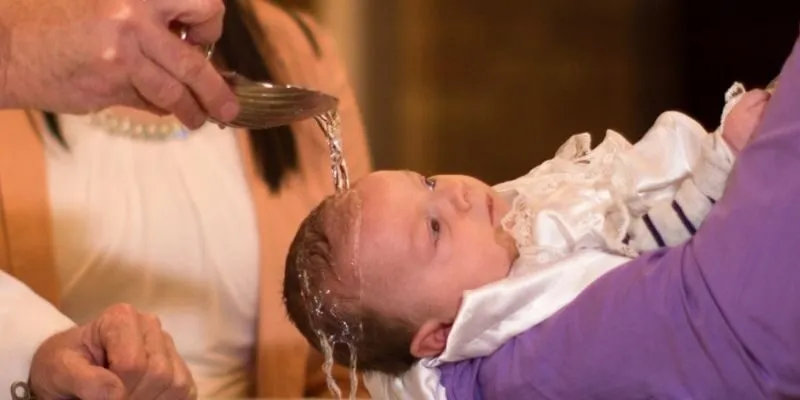
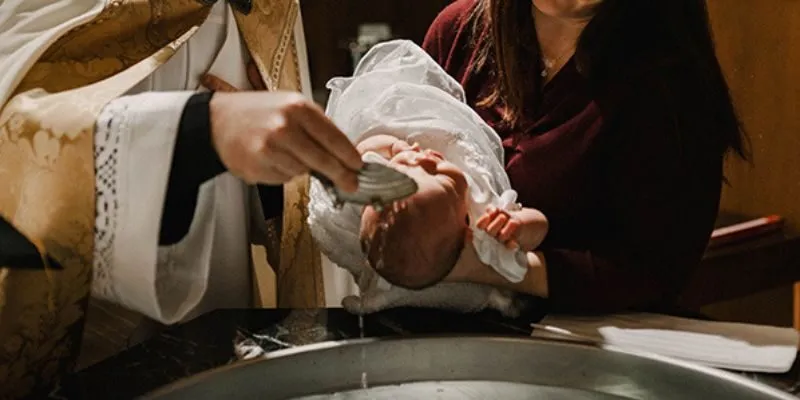
Holy water is commonly used during the ceremony as a symbol of blessing and spiritual cleansing. The minister applies the water while offering prayers. This act remains one of the most recognized parts of the service.
Giving Special Gifts
Guests often present gifts to commemorate the occasion. Popular choices include religious books, jewelry, and keepsakes. These gifts serve as lasting reminders of the special day.
>>> Read More: Church Weddings
Planning A Memorable Christening Celebration
Following christenings, many families organize celebrations to share the joy of the occasion. These gatherings provide opportunities for fellowship and gratitude.
Organizing A Family Reception
A reception allows family and friends to celebrate together after the ceremony. The event can be formal or informal depending on family preferences. Good planning helps create a welcoming atmosphere.
Choosing Decorations And Themes
Decorations often reflect the spiritual nature of the event. Popular choices include crosses, flowers, candles, and personalized banners. Thoughtful decorations enhance the celebration without overshadowing its meaning.
Capturing Precious Memories
Photography and video recordings help preserve important moments from the day. Families often create albums or keepsake collections. These memories can be cherished for generations.
Common Questions About Christenings
Many parents have questions about Christenings when planning the ceremony. Understanding the answers can make the process less stressful and more enjoyable.
What Is The Difference Between Baptism And Christening?
In many churches, the terms are closely related and sometimes used interchangeably. Baptism refers to the religious sacrament, while christening often includes naming and welcoming the child. Practices vary among denominations.
Can Older Children Be Christened?
Yes, many churches allow christenings or baptisms for older children. The ceremony may be adapted to suit the child’s age and understanding. Clergy members can explain specific requirements.
Is Church Membership Required?
Requirements differ depending on the church. Some congregations encourage regular attendance or membership before scheduling the ceremony. Others are more flexible and focus on the family’s commitment to faith.
Modern Approaches To Christenings
While traditions remain important, Christenings have evolved to reflect modern family needs and preferences. Many churches now offer flexible options while maintaining spiritual significance.
Inclusive Family Participation
Modern ceremonies often encourage broader involvement from family members. Readings, prayers, and music selections can include contributions from loved ones. This approach creates a more personal experience.
Personalized Services
Some families choose personalized elements that reflect their values and traditions. Special hymns, readings, or symbolic gestures may be included. Personalization helps make the ceremony unique.
Balancing Tradition And Modernity
Churches continue to preserve important customs while adapting to contemporary lifestyles. This balance ensures that the ceremony remains relevant and meaningful. Families can honor tradition while creating their own memories.
Conclusion
Christenings remain cherished ceremonies that celebrate faith, family, and community. They provide an opportunity to welcome a child into the Christian tradition while receiving blessings, guidance, and support from loved ones.